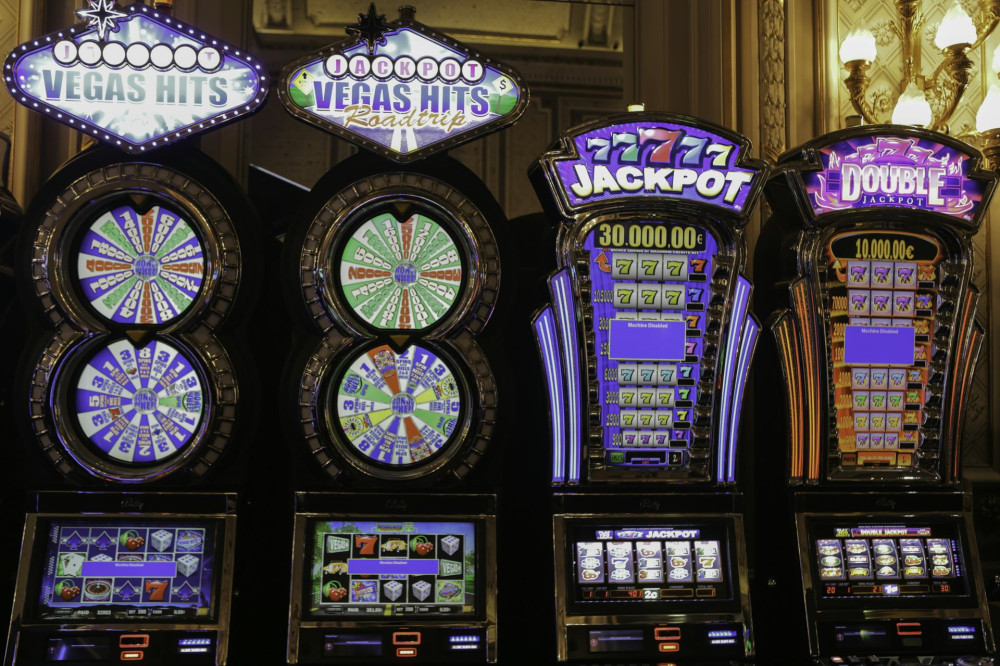
The Payout Percentage: What It Means for the Game’s Pace and Excitement

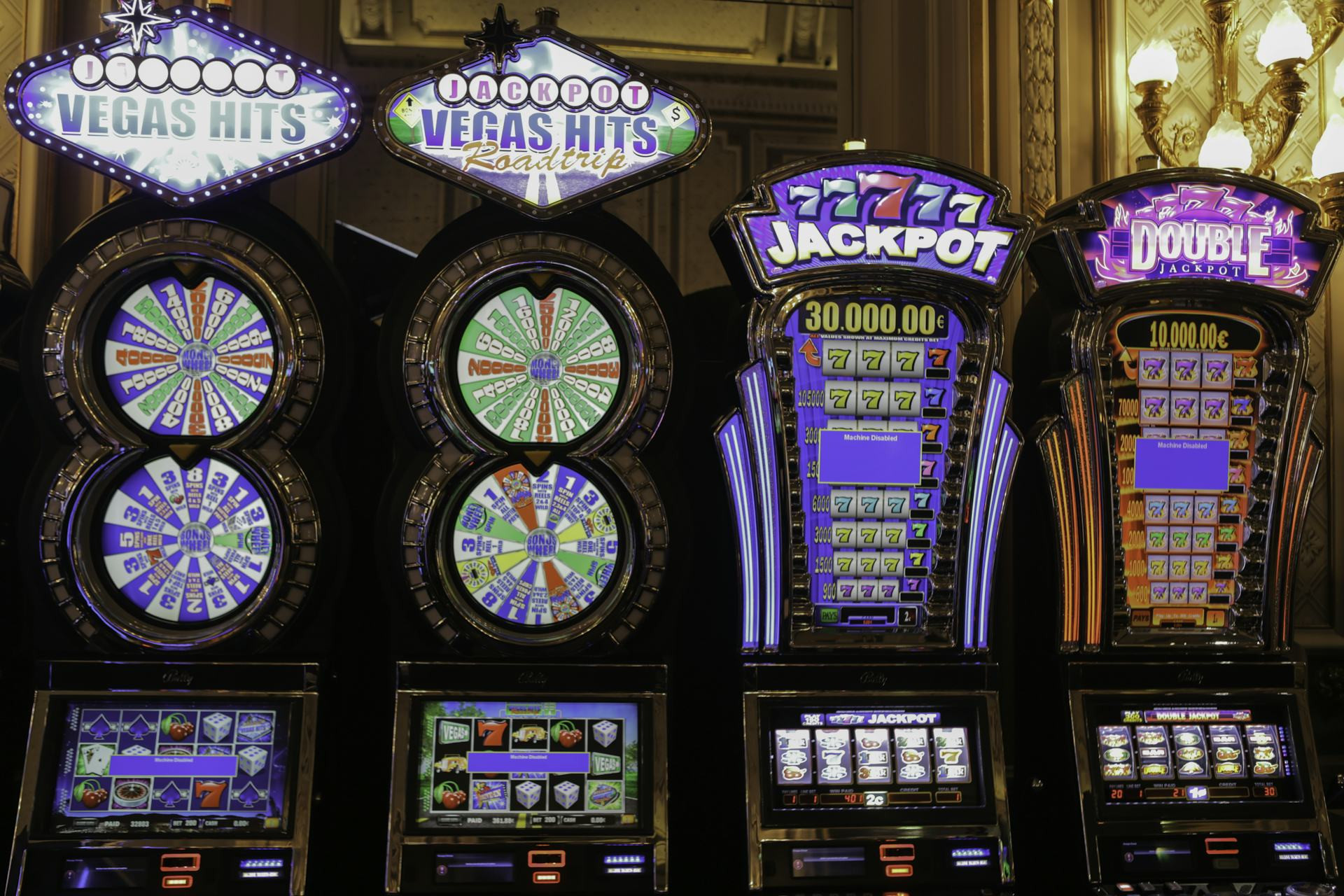
The Payout Percentage: What It Means for the Game’s Pace and Excitement
When you play a slot machine—whether at a casino in Las Vegas or on an online platform—one term you’ll often come across is the payout percentage, also known as RTP (Return to Player). It tells you how much of the total money wagered on a game is paid back to players over time. But RTP isn’t just about math and probability—it also shapes how the game feels, how fast it moves, and how thrilling each spin can be.
What Does the Payout Percentage Mean?
The payout percentage indicates how much a slot machine pays back on average compared to the total amount wagered. For example, a game with a 96% RTP theoretically returns $96 for every $100 bet—calculated over thousands or even millions of spins.
It’s important to remember that RTP is a long-term measure. In the short run, anything can happen—you might hit a big win or lose quickly—because every spin is random. Over time, though, the game’s results will trend toward its stated payout percentage.
High or Low RTP – What’s the Difference?
Generally, the higher the RTP, the better the odds for the player in the long run. Most modern online slots in the U.S. fall between 94% and 97%, though some specialty or branded games may be higher or lower depending on their design.
However, RTP doesn’t tell the whole story. Two games with the same payout percentage can feel completely different to play. That’s because of volatility—how large and how frequent the wins tend to be.
- Low volatility: Frequent but smaller wins. The game feels steady and predictable, and your balance tends to last longer.
- High volatility: Wins are rarer but often much larger. The game can swing dramatically, creating bursts of excitement and anticipation.
Læs også:


How Does RTP Affect the Game’s Pace?
A higher RTP doesn’t necessarily mean a faster or slower game. The pace depends more on how the wins are distributed. In low-volatility games, you’ll see frequent small payouts that keep the action moving and create a relaxed rhythm. It’s a smoother, more consistent experience.
High-volatility games, on the other hand, can go many spins without a win—but when one hits, it’s often big and dramatic. This creates a more intense tempo, where the excitement builds with every spin. Many players enjoy this unpredictability because it feels like chasing a major jackpot.
Excitement and Psychology – Why RTP Isn’t Everything
While RTP is an important number, the overall experience is about emotion and engagement. Sound effects, visuals, bonus rounds, and themes all play a huge role in how exciting a game feels. A slot with a slightly lower RTP can still be more entertaining if it’s designed with variety and surprise.
That’s why players often choose games that match their personality:
- Prefer steady wins and a calm pace? Go for a low-volatility game.
- Crave adrenaline and big, rare payouts? A high-volatility game might be your best bet—even if the RTP is a bit lower.
How to Use RTP as a Player
When choosing a slot, think of RTP as a guide—not a guarantee. It’s a measure of the game’s theoretical generosity, not a prediction of your personal results.
A smart approach is to combine RTP knowledge with your own playing style and budget. If you’re playing mainly for fun, pick games that match your preferred tempo and level of excitement. If you want to stretch your bankroll and play longer, a higher RTP can help you get more spins for your money.
Balancing Theory and Experience
The payout percentage may sound like a technical concept, but its impact goes far beyond the numbers. It influences how the game feels, how long you play, and how intense the excitement becomes. The best experience comes when you find a game where RTP, volatility, and theme all align with your preferences.
Because in the end, it’s not just about how much you win—it’s about how much you enjoy the ride.
Læs også: