Flow and Entertainment: How Small Rewards Create Big Gaming Experiences

Flow and Entertainment: How Small Rewards Create Big Gaming Experiences
Why do we get so absorbed in a great game that hours pass without us noticing? The answer often lies in a psychological state called flow—and in the way games use small, well-timed rewards to keep us engaged. From classic arcade titles to modern mobile and online games, the best gaming experiences rely on a delicate balance between challenge, reward, and anticipation.
What Is Flow—and Why Does It Feel So Good?
Flow is a concept introduced by Hungarian-American psychologist Mihály Csíkszentmihályi in the 1970s. It describes the mental state of being completely immersed in an activity—neither bored nor overwhelmed, but perfectly balanced between challenge and skill. In gaming, flow is that moment when you lose track of time because you’re fully focused on reaching the next goal.
To create flow, a game must constantly adjust its difficulty so that players feel challenged but not frustrated. That’s where small rewards come into play.
The Big Impact of Small Rewards
Rewards in games can take many forms: unlocking a new level, earning a power-up, hearing a satisfying sound effect, or winning a small prize. The key is timing. Too many rewards, and the game loses its tension. Too few, and players lose motivation.
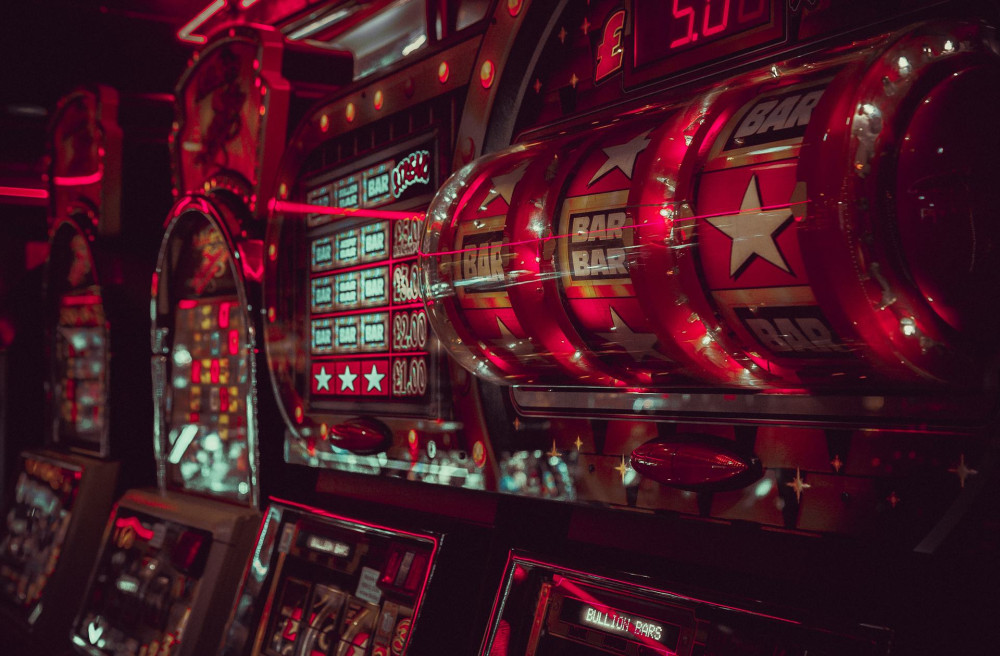
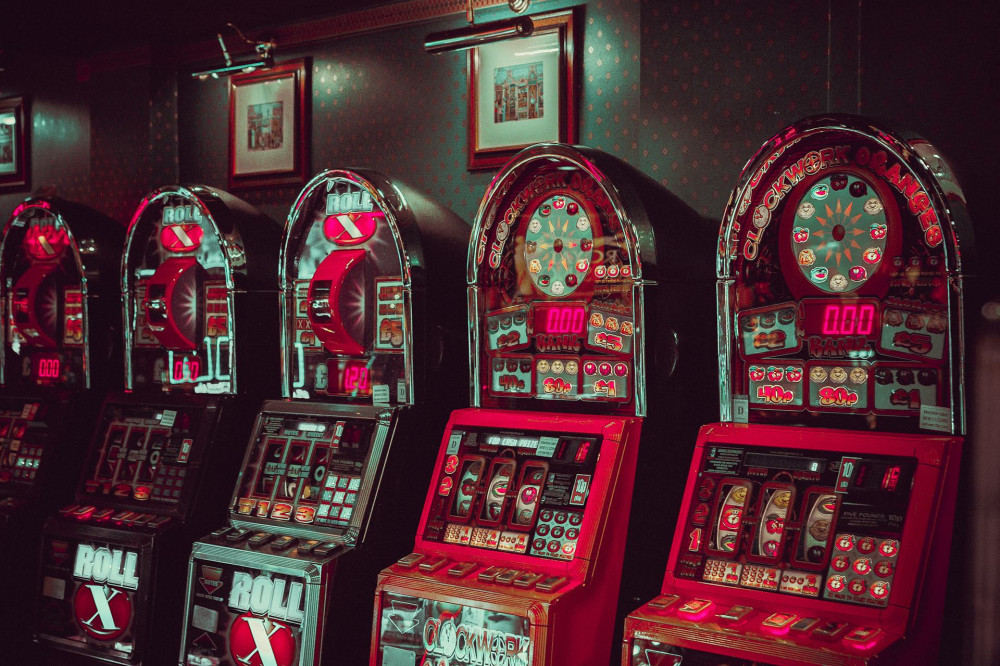
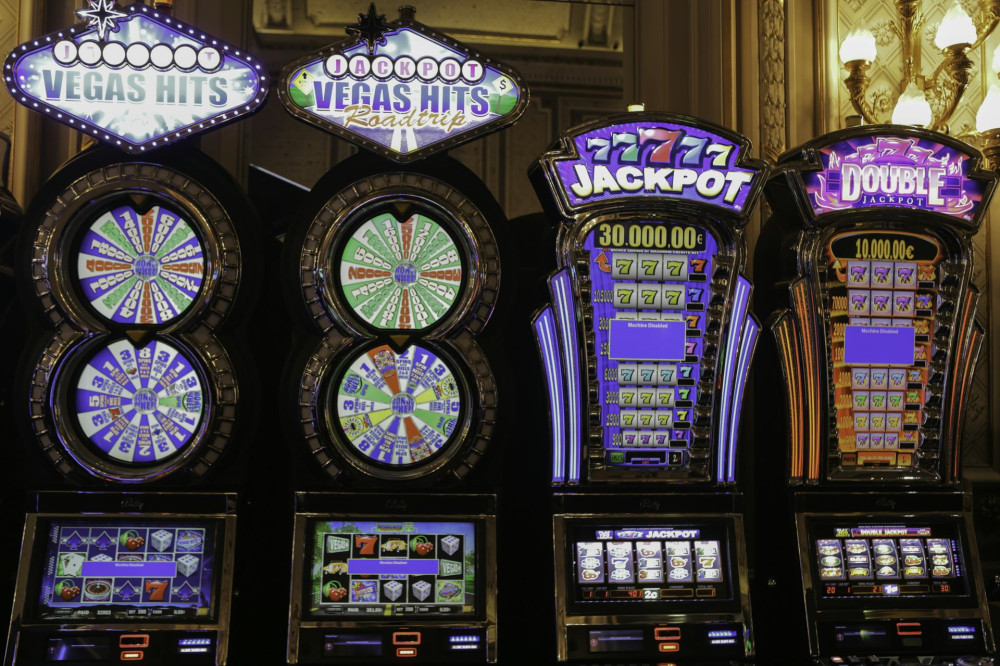
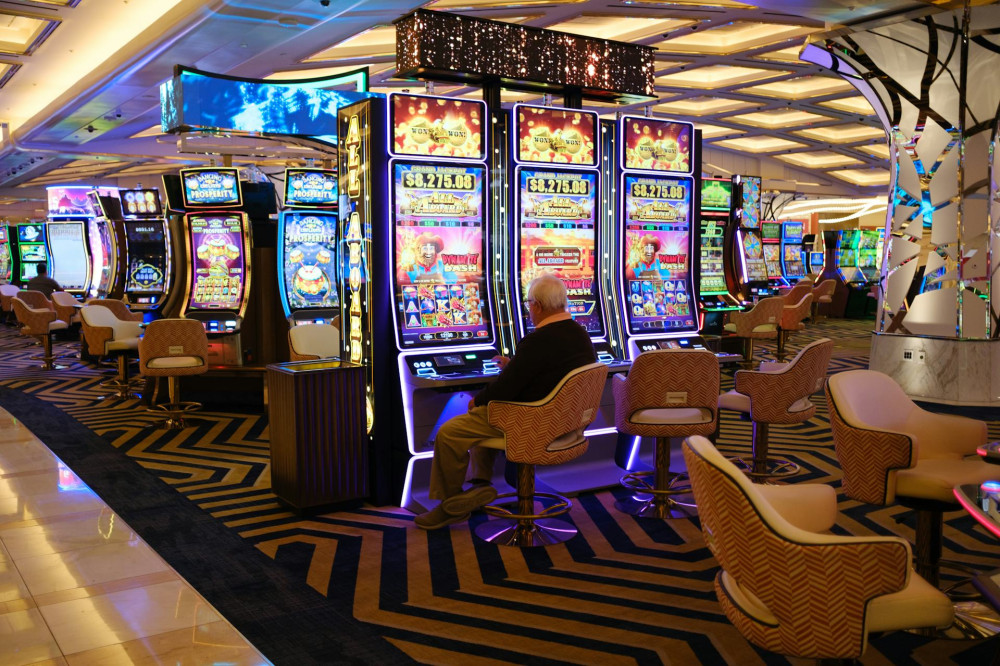
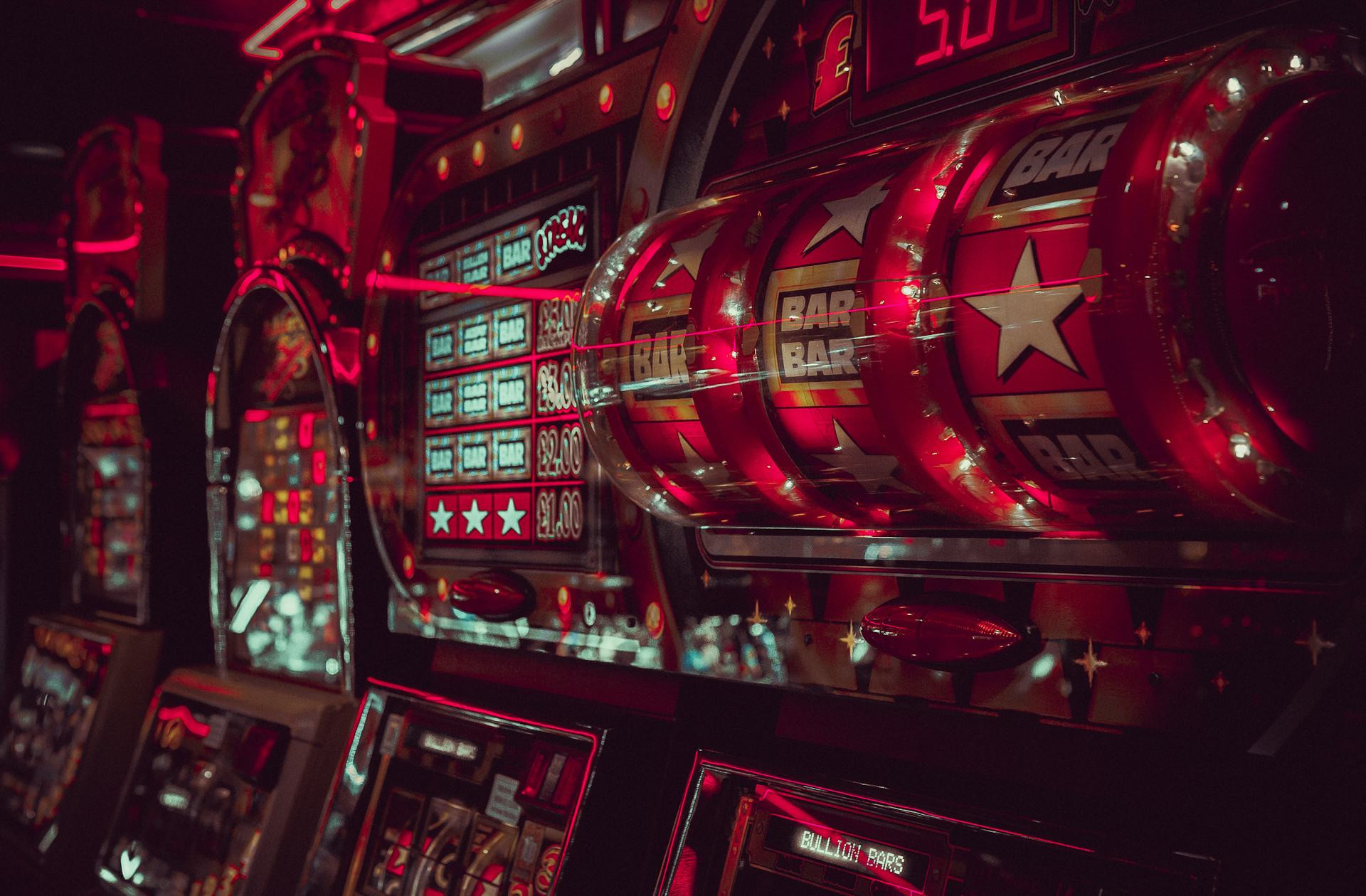
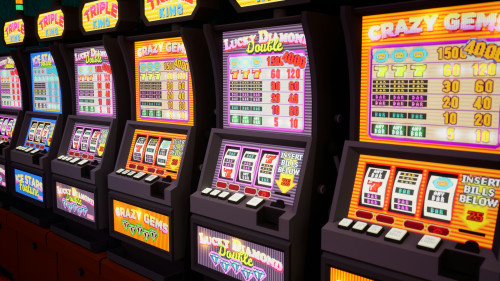
Game designers carefully craft reward curves—a rhythm of small and large payoffs that keep players engaged. You can see this clearly in slot machines or mobile puzzle games: small wins appear frequently, while big jackpots or rare items are harder to get but always possible. This constant sense of anticipation keeps players coming back for more.
Læs også:
Dopamine and the Joy of Anticipation
When we receive a reward—or even expect one—our brains release dopamine, a neurotransmitter linked to motivation and pleasure. That means it’s not just the reward itself that feels good, but also the excitement leading up to it. Game developers use this mechanism by creating moments of uncertainty and surprise that keep the brain active and engaged.
That’s why so many players find themselves saying, “just one more round.” Each new attempt feels like a chance to hit that perfect moment—and that feeling is what drives the flow state forward.
Balancing Control and Chance
A great game gives players a sense of control while maintaining a touch of unpredictability. If everything were purely random, it would feel meaningless. If everything were predictable, it would become boring. The best gaming experiences live in the tension between the two.
Modern games use feedback loops—visual, auditory, or tactile signals that tell players their actions matter. A flash of light, a vibration, or a sound effect reinforces the illusion of control, even when outcomes are partly random. This feedback keeps players emotionally invested in every move.
Flow as a Design Principle
Flow isn’t just a happy accident—it’s a deliberate design goal. Developers test how often players should experience success, how long they can go between rewards, and how progression should feel. The aim is to create an experience where players always feel on the edge of mastery.
This principle extends far beyond gaming. Fitness apps, social media platforms, and learning tools all use small rewards and progress markers to sustain engagement. The gaming industry has simply perfected the art over decades of experimentation.
When Entertainment Becomes Experience
The best games aren’t just about winning—they’re about entering a state where everything else fades away. Flow and reward work together to create that feeling: a mix of excitement, control, and satisfaction. That’s why we return to our favorite games again and again—not just for the prize, but for the rhythm and immersion that make every moment feel meaningful.
Læs også: