Luck or Chance? Why the Outcome of a Lottery Can Never Be Predicted

Luck or Chance? Why the Outcome of a Lottery Can Never Be Predicted
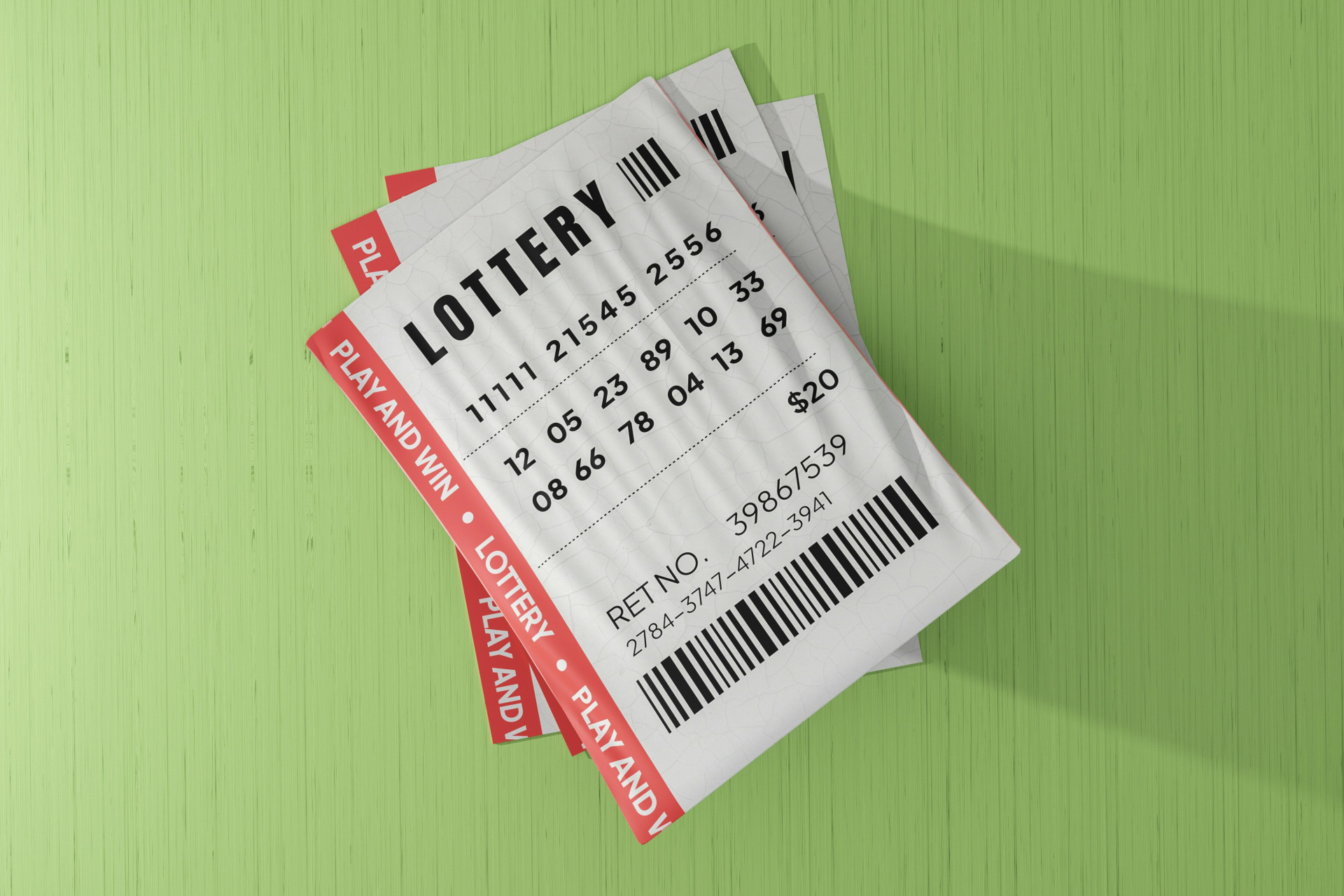
Every week, millions of Americans buy lottery tickets, dreaming of hitting the jackpot and changing their lives overnight. But no matter how many “winning systems,” lucky numbers, or rituals people try, one fact remains: the outcome of a lottery can never be predicted. It’s not just that the odds are low—it’s that the entire game is built on randomness. Let’s take a closer look at why it’s mathematically impossible to foresee who will win, and why that unpredictability is exactly what makes the lottery so captivating.
What Does “Random” Really Mean?
When we talk about randomness, we often think of chaos or unpredictability. In mathematics, however, randomness describes events where each possible outcome has a specific probability—but we can’t know which outcome will actually occur.
Take a coin toss, for example: there’s a 50% chance of heads and a 50% chance of tails. Over many tosses, the results will average out, but no one can predict the next flip. The same principle applies to lotteries—just with far more possible outcomes.
The Math Behind the Lottery
A typical lottery, such as Powerball or Mega Millions, involves choosing a set of numbers from a larger pool. The odds of matching all the winning numbers are astronomically small. In Powerball, for instance, the chance of hitting the jackpot is about 1 in 292 million.
That means even if you played every single drawing for the rest of your life, your odds of winning would remain virtually zero. Each drawing is independent of the last—the numbers don’t “remember” what was drawn before. So avoiding “popular” numbers or picking ones that “haven’t come up in a while” doesn’t make any difference. Every combination has exactly the same chance.
Why Systems and Patterns Don’t Work
Many players try to find patterns in past drawings. They analyze statistics, look for “hot” and “cold” numbers, or use birthdays and anniversaries as their picks. But in a truly random system, there are no patterns to exploit.
Lotteries use either mechanical machines with numbered balls or computer-based random number generators (RNGs) designed to ensure that every number has an equal chance of being selected. Even if a number hasn’t been drawn in months, its odds of appearing next time are still the same.
The Human Urge to Find Meaning
Even when we know something is random, humans have a natural tendency to look for order and meaning. It’s part of how our brains work—we’re wired to detect patterns, even when none exist. That’s why some people believe in lucky numbers or rituals that “increase” their chances.
This psychological quirk, known as the “gambler’s fallacy,” makes us think that a certain outcome is “due” after a streak of others. But in reality, randomness has no memory. Each drawing is a fresh start.
The Technology Behind Randomness
To ensure fairness, lotteries are carefully monitored and tested. In physical drawings, the balls are weighed and measured to prevent bias, and the machines are inspected regularly. In digital lotteries, RNGs generate numbers using complex algorithms and physical noise sources that can’t be predicted or manipulated.
Independent auditors and testing agencies verify these systems to make sure every drawing is as random as possible. That means not even the lottery organizers can know—or influence—what numbers will come up.
Luck, Hope, and the Thrill of Possibility
Despite the overwhelming odds, millions of Americans continue to play. For most, it’s not just about the money—it’s about hope. The lottery represents the dream of possibility, the idea that anyone, no matter their background, could suddenly strike it rich. And it’s precisely because the outcome is unpredictable that the dream feels so powerful.
Understanding that the lottery is pure chance doesn’t mean you shouldn’t play—it just means you should see it as entertainment, not a financial plan.
Læs også:
Conclusion: The Beauty of Unpredictability
The outcome of a lottery can never be predicted because it’s designed to be unpredictable. Each drawing is an independent event where everyone has the same chance, regardless of strategy, superstition, or experience. That very unpredictability is what makes the game both frustrating and fascinating.
So the next time you buy a ticket, do it for the fun of it. You can’t control the outcome—but you can enjoy the excitement of possibility.
Læs også: