Implied Odds Explained: When Do They Make a Marginal Call Profitable?


Implied Odds Explained: When Do They Make a Marginal Call Profitable?
When you’re sitting at the poker table with a drawing hand that only has a small chance of hitting, folding might seem like the obvious move. But sometimes, calling can still be the right play—not because your pot odds justify it right now, but because you expect to win more money if you hit your hand. That’s where the concept of implied odds comes in. Understanding implied odds can be the difference between a losing and a winning player over the long run.
What Are Implied Odds?
Implied odds refer to the future winnings you can expect to earn if you complete your draw. While pot odds only consider the current size of the pot and the cost of your call, implied odds take into account the additional money you might win on later streets.
Here’s a simple example: You’re on a flush draw on the flop. The pot is $100, and your opponent bets $50. You need to call $50 to win $150, giving you pot odds of 3:1. If you’ll only make your flush about one in five times, calling based on pot odds alone would be unprofitable. But if you expect your opponent to pay you another $100 or more when you hit, the math changes. Those extra potential winnings are your implied odds.
When Should You Think About Implied Odds?
Implied odds matter most when you have a drawing hand—like a flush or straight draw—and you believe you can extract more value if you hit. But that only works if you can realistically expect to get paid off.
There are three common situations where implied odds play a big role:
- Against loose players who have trouble folding. These opponents are more likely to pay you off when you hit your hand.
- When you have position, allowing you to control the pot size and maximize your winnings on later streets.
- When stacks are deep, giving you room to win large pots after the flop.
On the other hand, implied odds are less relevant when you’re up against a tight opponent who folds easily, or when both of you have short stacks—there’s simply not much left to win after the flop.
Læs også:




A Concrete Example
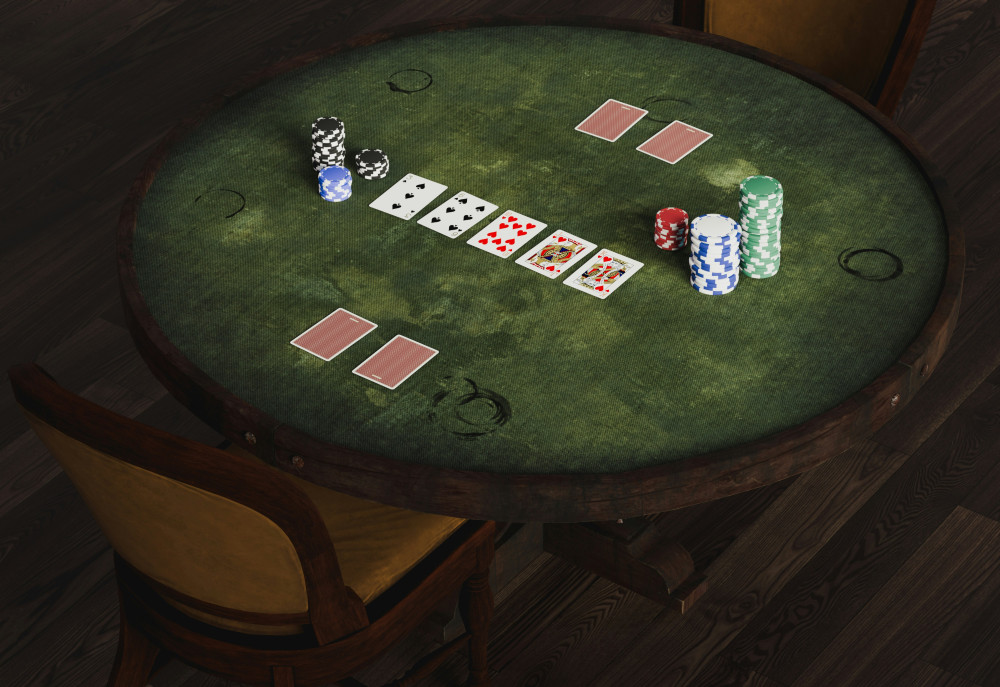
Imagine you’re holding 8♠9♠, and the flop comes 6♠7♦K♣. You’ve got an open-ended straight draw. The pot is $200, and your opponent bets $100. You need to call $100 to win $300—pot odds of 3:1. You’ll make your straight about one in five times, so based on pot odds alone, the call isn’t profitable.
But if you believe you can win another $200–$300 when you hit, the situation changes. Those extra potential winnings make the call profitable in the long run. That’s the essence of implied odds: factoring in the hidden value of future bets.
Pitfalls: When Implied Odds Are Overestimated
While implied odds can turn a marginal call into a profitable one, it’s easy to overestimate them. Many players assume they’ll always get paid when they hit—but that’s far from guaranteed. If your opponent folds when the flush or straight comes in, you won’t see any of that extra value.
You can also run into the opposite problem, where you hit your hand but your opponent hits a better one. For example, you make a lower straight while your opponent makes a higher one. In that case, your “implied odds” turn into reverse implied odds—you lose more money than you win.
That’s why using implied odds effectively requires both experience and the ability to read your opponent. It’s not just about math—it’s also about psychology and game awareness.
How to Evaluate Implied Odds in Practice
When you’re facing a call, ask yourself three key questions:
- How much can I realistically win if I hit? Think about how willing your opponent is to pay off. An aggressive player with a strong hand offers better implied odds than a cautious one.
- How obvious will my hand be when I hit? The more obvious your draw, the less likely you are to get paid.
- Is there a risk of reverse implied odds? Consider whether you could end up losing a big pot even when you make your hand.
By thinking through these questions, you can better judge whether a marginal call is truly profitable.
Conclusion: Implied Odds as a Tool—Not an Excuse
Implied odds are a powerful concept that help you make more precise decisions at the poker table. They allow you to look beyond the current pot and think in terms of future value. But they must be used carefully. A call that’s “maybe” profitable because you hope to win more later is rarely a good idea.
The best players use implied odds as a strategic tool, not as an excuse to call too often. When you learn to recognize when implied odds genuinely make a marginal call profitable, you take an important step toward playing more disciplined, analytical poker.
Læs også: