How Many Bingo Cards Should You Play? Find the Balance Between Control and Winning Chances

How Many Bingo Cards Should You Play? Find the Balance Between Control and Winning Chances
When you sit down for a game of bingo—whether it’s at your local community hall, a charity event, or an online room—the question comes up quickly: how many cards should you play? The more cards you have, the better your odds of winning, but it also becomes harder to keep track of the numbers being called. Finding the right balance between control and winning chances depends on your experience, the type of game, and your personal playing style.
More Cards Mean More Chances—But Also More to Manage
It’s simple probability: the more cards you play, the higher your chance of winning. If there are 100 cards in play and you have 10 of them, you hold 10% of the winning chance. With just one card, your odds drop to 1%.
But bingo isn’t only about math. For many players, enjoyment and focus matter just as much as statistics. If you lose track of numbers or miss a call because you’re juggling too many cards, your advantage disappears. The key is to play as many cards as you can comfortably manage without losing the fun of the game.
Læs også:
Know Your Own Limit
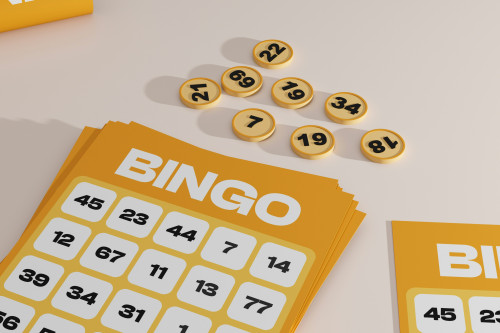
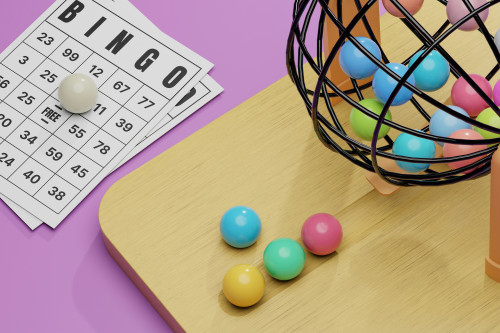
How many cards you can handle depends on your experience and concentration. Beginners should start with one or two cards to get used to the rhythm of the game. This allows you to follow the calls, understand the patterns, and build confidence.
As you gain experience, you can gradually increase the number of cards. Many seasoned players manage four to six cards comfortably, while the most experienced can handle even more—especially in online bingo, where the system automatically marks the numbers for you.
A good rule of thumb: if you start feeling stressed or find yourself missing numbers, it’s time to scale back.
The Difference Between In-Person and Online Bingo
In traditional bingo halls, where you mark the numbers yourself, keeping track is everything. Most players find that four cards are about the maximum they can handle while still enjoying the game. Too many cards can make the experience frantic instead of fun.
Online bingo, however, changes the equation. Since the software automatically marks your numbers, you can play with many more cards without losing control. This lets you focus on strategy—like choosing games with fewer players or special jackpots. The trade-off is that you lose some of the classic hands-on excitement of marking your own cards and watching the board fill up.
Strategy: Quality Over Quantity
While more cards increase your odds, buying as many as possible isn’t always the smartest move. It can get expensive quickly, and there’s never a guarantee of winning. Instead, think strategically:
- Choose games with fewer players. Your odds improve when there are fewer cards in play overall.
- Pay attention to prize structures. Some games offer bonus rounds or progressive jackpots that can be more rewarding than simply playing more cards.
- Play for fun, not profit. Bingo is meant to be social and entertaining—a chance to relax, not a financial strategy.
Finding Your Balance
The right number of cards depends on what you want from the game. If you’re chasing excitement and higher winning chances, more cards—especially online—might be the way to go. If you prefer a relaxed pace and the satisfaction of following every number, fewer cards will keep the game enjoyable.
Here’s a simple guide:
- 1–2 cards: Perfect for beginners or players who want full control.
- 3–6 cards: Ideal for experienced players who enjoy a bit more challenge.
- 7+ cards: Best for advanced or online players who can rely on automatic marking.
No matter how many cards you choose, the most important thing is to have fun and stay engaged. Bingo is ultimately about community, excitement, and the joy of shouting “Bingo!”—not about how many cards you can fit on your table.
Læs også: