House Edge Explained: How It Affects Your Roulette Bets

House Edge Explained: How It Affects Your Roulette Bets
Roulette is one of the most iconic casino games in the world—a blend of chance, excitement, and strategy that has captivated players for centuries. Whether you’re spinning the wheel at a Las Vegas casino or playing online, one factor is always at work behind the scenes: the house edge. It’s the built-in advantage that ensures the casino comes out ahead in the long run. In this article, we’ll break down what the house edge really means, how it works in roulette, and what you can do to make smarter betting choices.
What Is the House Edge?
The house edge is a mathematical expression of how much a casino expects to earn from each bet over time. It’s present in every casino game, though the percentage varies depending on the game and its rules.
In simple terms, the house edge means that while you can win in the short term, the casino statistically has a small but consistent advantage over the long term. This edge allows casinos to pay out winnings while still maintaining a profit.
American vs. European Roulette
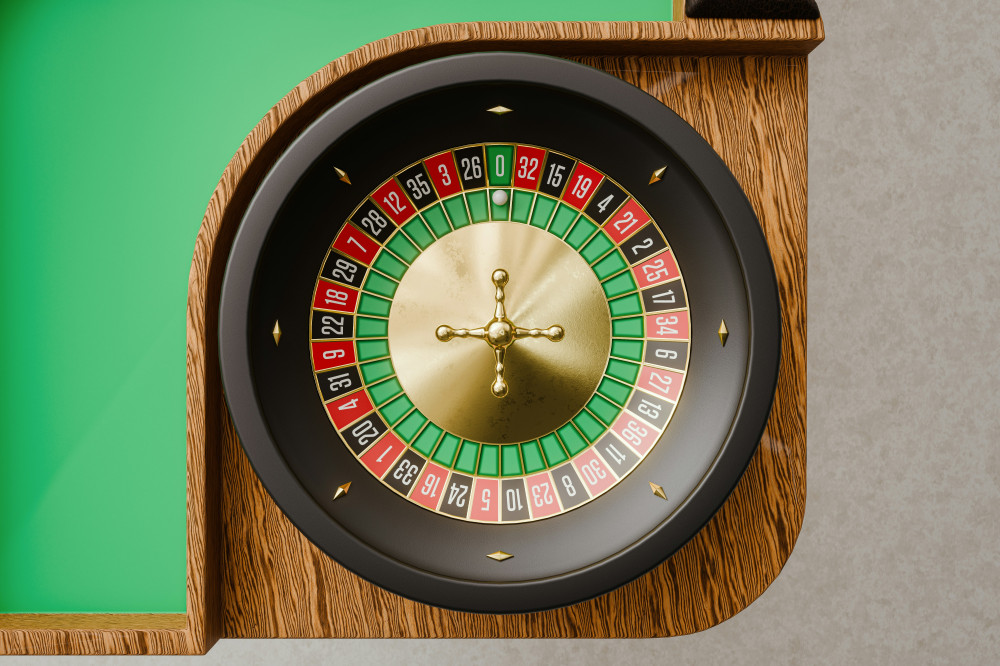
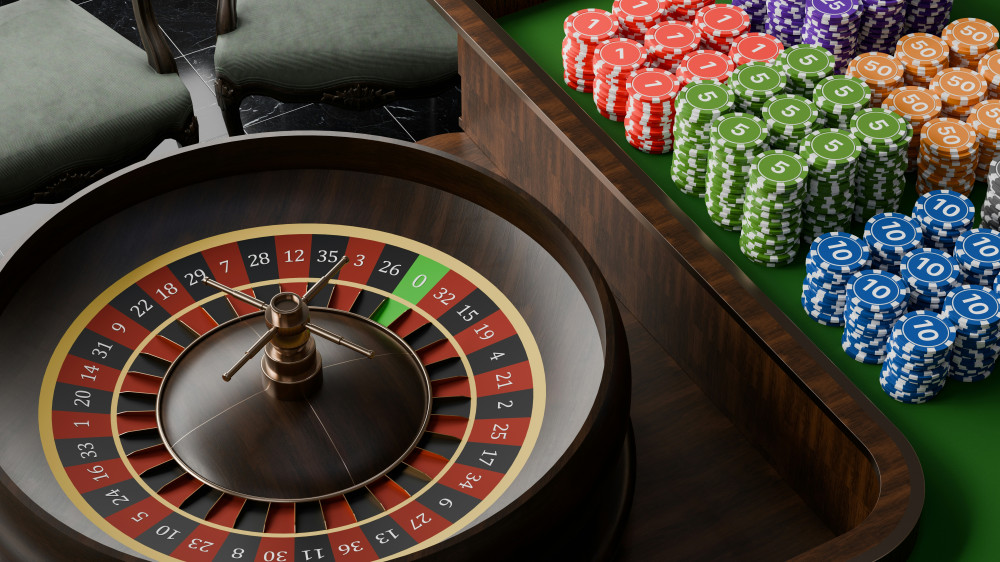
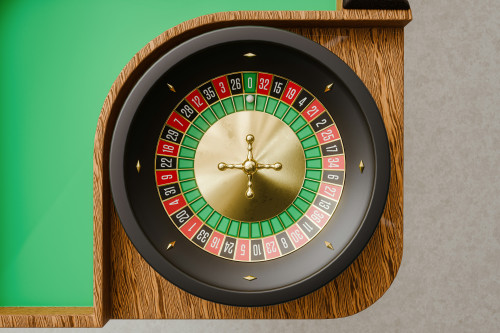
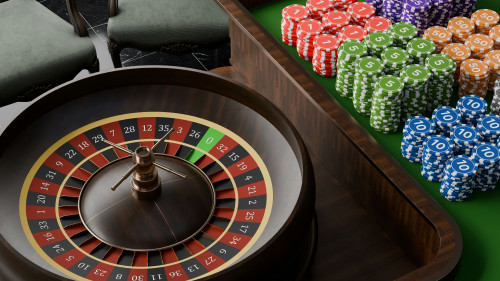
There are several versions of roulette, but the two most common are American and European roulette. The difference between them lies in the number of pockets on the wheel—and that difference directly affects the house edge.
- European roulette has 37 pockets: numbers 1–36 and a single zero (0). The house edge is about 2.7%.
- American roulette has 38 pockets: numbers 1–36, a single zero (0), and a double zero (00). The house edge rises to about 5.26%.
That extra double-zero pocket in the American version slightly increases the casino’s advantage. Over time, that difference adds up. That’s why many experienced players prefer European roulette whenever it’s available.
Læs også:
Why Does the House Edge Exist?
The house edge isn’t a trick—it’s built into the game’s design. It exists because the payouts to players are slightly lower than the true odds of winning.
For example, if you bet on a single number in European roulette, your chance of winning is 1 in 37. A perfectly fair payout would be 36 to 1. However, the actual payout is 35 to 1. That small difference is where the house edge comes from.
This principle applies to every type of bet, from red/black to odd/even. No matter how you play, there’s always a small margin that favors the house.
How the House Edge Affects Your Bets
The house edge doesn’t determine whether you win or lose on a single spin—it affects your results over time. The longer you play, the more your outcomes will align with the statistical reality.
That doesn’t mean you can’t get lucky. Many players hit big wins in the short term. But if you play long enough, the house edge will gradually balance out those lucky streaks.
Understanding this helps you set realistic expectations. Roulette should be seen as entertainment, not a way to make money. Knowing how the house edge works allows you to manage your bankroll wisely and enjoy the game responsibly.
Can You Reduce the House Edge?
While you can’t eliminate the house edge entirely, you can make choices that give you the best possible odds.
- Choose European roulette when you can—the lower house edge makes a real difference over time.
- Avoid side bets and special wagers, which often carry higher house edges.
- Stick to simple bets like red/black or odd/even, where your chances of winning are close to 50%.
- Set limits on time and money, so you stay in control and play for fun.
Some players use betting systems like Martingale or Fibonacci, but it’s important to remember that no strategy can change the underlying math. The house edge remains constant no matter how you bet.
Roulette Is About the Experience
Roulette has captivated players for generations—not because it can be beaten, but because it combines suspense, rhythm, and chance in a uniquely thrilling way. When you understand the house edge, you can play with open eyes and appreciate roulette for what it truly is: entertainment with a touch of strategy.
Knowing the odds doesn’t mean you should avoid the game. It means you can play smarter, make informed decisions, and get more enjoyment out of every spin—whether the ball lands on red or black.
Læs også: