Free Games as a Gateway: How New Generations Are Introduced to the Casino World


Free Games as a Gateway: How New Generations Are Introduced to the Casino World
As the online gaming landscape continues to expand, the line between entertainment and gambling has become increasingly blurred. Many young Americans are first encountering the casino world not through a trip to Las Vegas, but through free-to-play versions of classic games like slots, blackjack, and roulette. These games don’t require real money, yet they closely mimic the experience of gambling. The question is how this early exposure shapes new generations’ attitudes toward gambling—and where the boundary lies between harmless fun and potential risk.
Free Games as a Learning Platform
Free casino games often serve as a kind of training ground. Players can learn the rules, understand the mechanics, and test strategies without financial risk. For many, it’s a safe way to explore a complex gaming environment, experimenting with concepts like betting, paylines, and probability.
For casino operators, these games are also a powerful marketing tool. By offering free versions, they can attract new users, build trust, and encourage engagement before players ever wager real money. It’s a strategy similar to what’s seen in other industries—from mobile gaming to streaming services—where a free sample is designed to spark long-term interest.
The Psychology Behind the Play
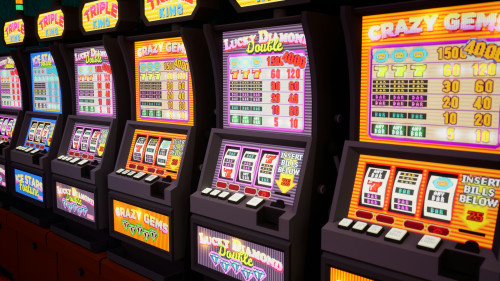
Even without real money at stake, free casino games can trigger the same psychological responses as real gambling. The flashing lights, celebratory sounds, and reward systems are all engineered to create excitement and anticipation. When players “win,” their brains release dopamine, producing a sense of success and motivating them to keep playing.
Research suggests that this kind of exposure can influence how young people perceive gambling. If casino-style games are associated early on with fun and reward, the transition to real-money gambling can feel natural. Understanding this connection is key to recognizing how entertainment and marketing intertwine in the modern gaming economy.
A Generational Shift in Gaming Habits
Older generations were introduced to casinos through physical spaces—Atlantic City, Las Vegas, or local card rooms. Today, the introduction is digital. Young people encounter casino elements on their phones, computers, and even within video games that aren’t marketed as gambling but include “loot boxes” or spin-to-win mechanics.
This shift means that casino culture is no longer confined to dedicated gambling venues. It’s part of a broader digital entertainment ecosystem. For some, it remains a casual pastime; for others, it can become a stepping stone toward riskier forms of play. This evolution challenges parents, educators, and policymakers to help young people understand the difference between gaming for fun and gambling for money.
Læs også:



Regulation and Responsibility
In the United States, gambling regulations vary by state, and most focus on real-money betting. Free casino games, however, often fall into a gray area. Because they don’t involve direct financial stakes, they’re typically not subject to the same age restrictions or responsible gaming requirements as real casinos.
Experts argue that greater transparency is needed about how free games function as recruitment tools. The goal isn’t to ban them, but to ensure that players—especially younger ones—understand what they’re engaging with. Education, awareness, and digital literacy are essential tools for navigating this new landscape responsibly.
A New Form of Entertainment with Familiar Roots
At their core, free casino games are a modern expression of an age-old fascination with luck, risk, and reward. The difference is that technology now allows anyone to experience that thrill from their couch, without spending a dime. For many, it’s harmless entertainment; for others, it can be the first step into a world where the stakes become real.
Understanding this phenomenon isn’t just about warning against potential dangers—it’s also about recognizing the appeal of games as spaces for learning, strategy, and social connection. The key lies in balance: giving new generations the tools to enjoy digital play responsibly, in a world where the boundary between free fun and gambling is more fluid than ever.
Læs også:


